
hospitality service is a practical business issue for Australian hospitality operators, not simply a search term or a one-off project. Guests experience a venue as one continuous journey even though different departments, shifts and systems deliver it. Consistency does not mean scripted sameness; it means that essential promises are dependable while employees still have the judgement to respond warmly to the person in front of them. This guide explains how to approach the decision with clear commercial, people and service outcomes in mind.
Related priorities often include guest experience, hospitality service standards and customer service hospitality. They matter because the result must work in a real venue, event or support team where time, labour, supplier capacity and guest expectations all interact.
- Set the outcome
- Build the operating brief
- Plan the journey
- Control risk
- Review results
- Frequently asked questions
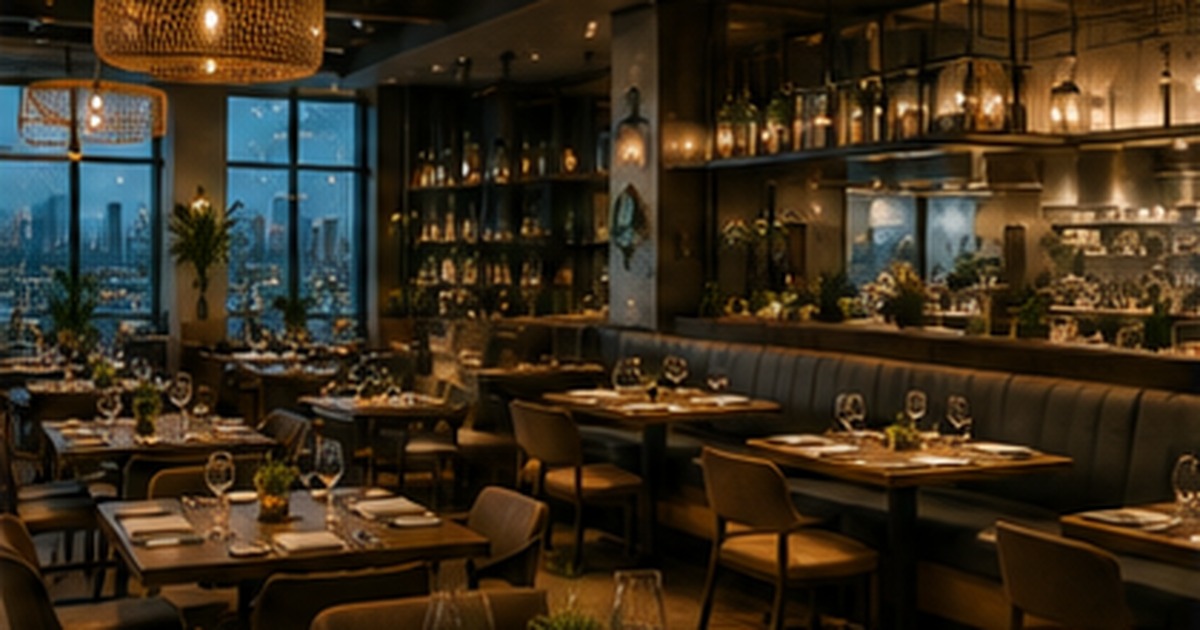
Define the Outcome Before Planning the Details
Hospitality service is the coordinated way a business welcomes, informs, serves, solves and farewells guests. It includes human interaction, response time, environment, product delivery and recovery when something goes wrong. Consistency comes from clear standards, capable people, useful information and leadership attention at every handover.
The intended outcome is a recognisable guest experience that feels attentive and dependable across people, shifts and channels. Put that statement at the top of the brief and use it to resolve later trade-offs. When budget, timing and service preferences compete, the agreed outcome helps the team protect what matters most.
Build a Brief That Operations Can Deliver
Promise and Service Style
Define what the brand promises and how that should feel in observable behaviour. A neighbourhood café, conference hotel and fine-dining restaurant need different pacing and language, but each can be clear about welcome, attentiveness and ownership. Turn the decision into a written brief with numbers, timings and service expectations that every stakeholder can understand.
Guest Information and Anticipation
Capture reservations, preferences, dietary needs, accessibility and special occasions accurately and make relevant information available to the right team. Anticipation should feel helpful, not intrusive or dependent on one person’s memory. Plan from the guest or user journey backwards so that operational details support the experience rather than compete with it.
Execution at Key Moments
Identify moments that shape the overall judgement: first contact, arrival, ordering, delivery, check-backs, payment and farewell. Set time and quality expectations without turning the interaction into a rigid script. Build contingencies for demand changes, dietary needs, staffing gaps and supplier disruption before the event or rollout begins.
Service Recovery
Give staff a simple method to listen, acknowledge, act within authority and escalate promptly. Record recurring failures so recovery data improves the process instead of merely compensating one guest. Nominate one accountable coordinator and use short checkpoints to keep suppliers, managers and frontline teams aligned.
Leadership and Reinforcement
Managers create consistency through pre-shift focus, observation, coaching and recognition. If leaders ignore the standard during busy periods, employees learn that it is optional precisely when guests notice it most. Review the outcome while details are still fresh, then carry the lessons into the next event, campaign or operating cycle.

Plan the Customer and Team Journey
Map the experience from the first enquiry or internal request through preparation, delivery and follow-up. For each stage, identify the information required, the person responsible, the time standard and the fallback if something changes. This exposes gaps that are easy to miss when planning is divided by department.
- Map the journey: Observe the experience from search or booking through post-visit follow-up.
- Choose signature and minimum standards: Define memorable touches and non-negotiable basics for each stage.
- Train in context: Use demonstration, scenarios, supervised practice and feedback on real shifts.
- Empower recovery: Set decision limits, escalation contacts and a simple incident record.
- Review and improve: Combine guest comments, observation and operational data in regular coaching.
Control Risk Without Overcomplicating the Plan
- Writing service standards as vague values that cannot be observed or coached.
- Training polished language without fixing delays, missing information or poor handovers.
- Using scripts so rigidly that staff stop listening to the guest.
- Giving recovery authority without examples, limits or a way to learn from incidents.
- Reviewing online scores without connecting comments to a stage of the guest journey.
Keep Stakeholders Working from the Same Plan
Use one current brief or function sheet rather than a chain of separate emails. Record approvals, changes and the person responsible for each action. Share only the information each stakeholder needs, but make timings, contacts and escalation visible to everyone involved in delivery. Schedule a final confirmation point close enough to capture late information and early enough for the team to respond. Clear change control protects the customer experience and reduces the risk that one supplier, manager or shift works from an outdated instruction.

Measure the Experience and the Economics
Use guest feedback by journey stage, complaint themes, recovery time, repeat visits, booking conversion, wait and ticket times, order accuracy and manager observations. Employee confidence and training verification matter too. A single satisfaction score cannot show where the experience breaks or why.
Hold a short debrief with the people closest to delivery. Separate issues caused by the brief from issues caused by execution, then assign changes to an owner and due date. That discipline turns a single project into useful operating knowledge.
Australian Operating Context
Australian hospitality businesses must plan around local labour availability, award obligations, supplier lead times, seasonal demand and long travel distances outside capital-city centres. The right plan therefore reflects the actual location and service area rather than assuming that a generic metropolitan model will transfer without adjustment.
Final Readiness Checklist
- Map the journey: Observe the experience from search or booking through post-visit follow-up.
- Choose signature and minimum standards: Define memorable touches and non-negotiable basics for each stage.
- Train in context: Use demonstration, scenarios, supervised practice and feedback on real shifts.
- Empower recovery: Set decision limits, escalation contacts and a simple incident record.
- Review and improve: Combine guest comments, observation and operational data in regular coaching.

A Practical Next Step for hospitality service
A practical approach to hospitality service starts with the business outcome and ends with clear ownership, documented standards and a review date.
Consistent service is designed, practised and led. Aspire Hospitality Group can help define service standards, build digital learning and SOPs, strengthen onboarding and coach hospitality leaders so the intended experience survives busy shifts and team change.
For connected support, explore Aspire Hospitality Group’s hospitality service and leadership training and hospitality operations consulting. When you are ready to discuss the priorities for your venue or organisation, contact the Aspire team.
Frequently Asked Questions
What makes hospitality service consistent?
Clear guest promises, observable standards, accurate information, trained people, working systems, manager reinforcement and a recovery process. Consistency comes from the combination, not from a script alone.
How can service standards still feel personal?
Standardise the essential outcome and decision boundaries while allowing staff to adapt wording and gestures to the guest. Teach listening and judgement through examples rather than prescribing every sentence.
What should service training include?
Include the brand promise, journey, product knowledge, communication, technical sequence, systems, accessibility, dietary handling, recovery, practice, observation and follow-up coaching in the workplace.
How should complaints be handled?
Listen without defensiveness, acknowledge the impact, clarify the desired outcome, act within authority, escalate quickly when needed and record the cause. Follow up when the issue or promise warrants it.
Which guest-experience metrics are most useful?
Choose measures linked to the journey and business model, such as wait time, accuracy, feedback themes, recovery, repeat visits and direct observation. Review them together so speed does not improve at the expense of warmth or quality.